A web revolution is underway. Yesterday the web was static; tomorrow it will be dynamic.
We hear a lot about Web 3.0, but what exactly is it? What will the web of tomorrow look like? In this quick article, we take a look at the concept that is currently flooding the web.
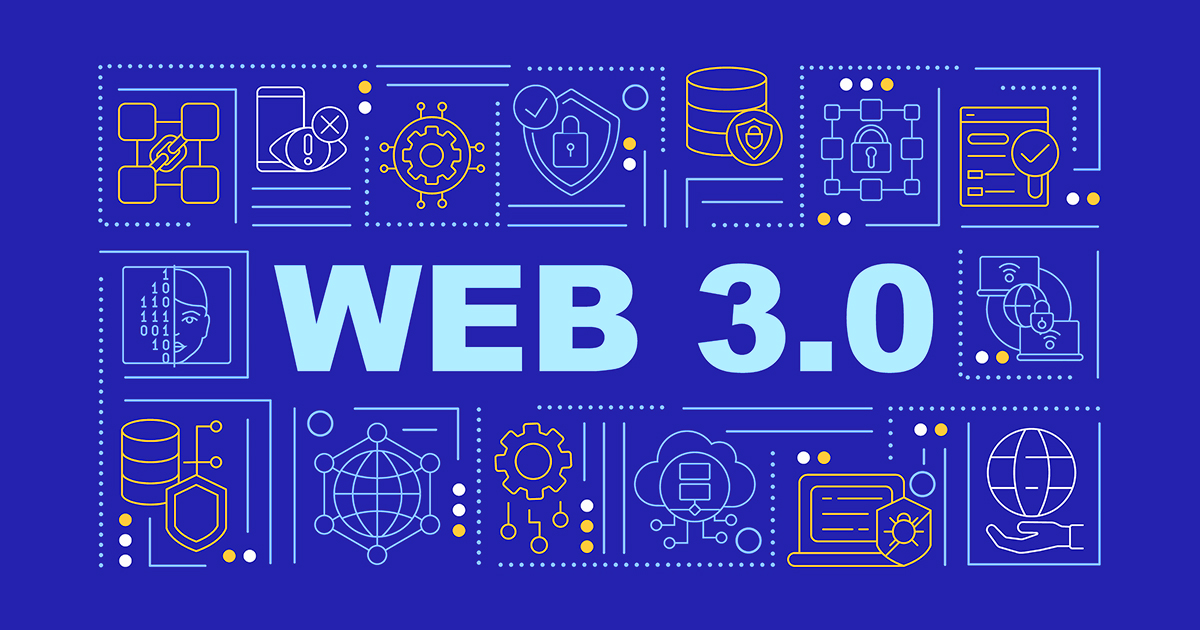
Web 3.0: Back to basics
Before diving into this concept, let’s take a look at how things have evolved.
Internet vs. Web
Let’s start by clarifying the difference between the internet and the web. The former is a global network of computers capable of exchanging data, while the latter refers to the links and content pages themselves.
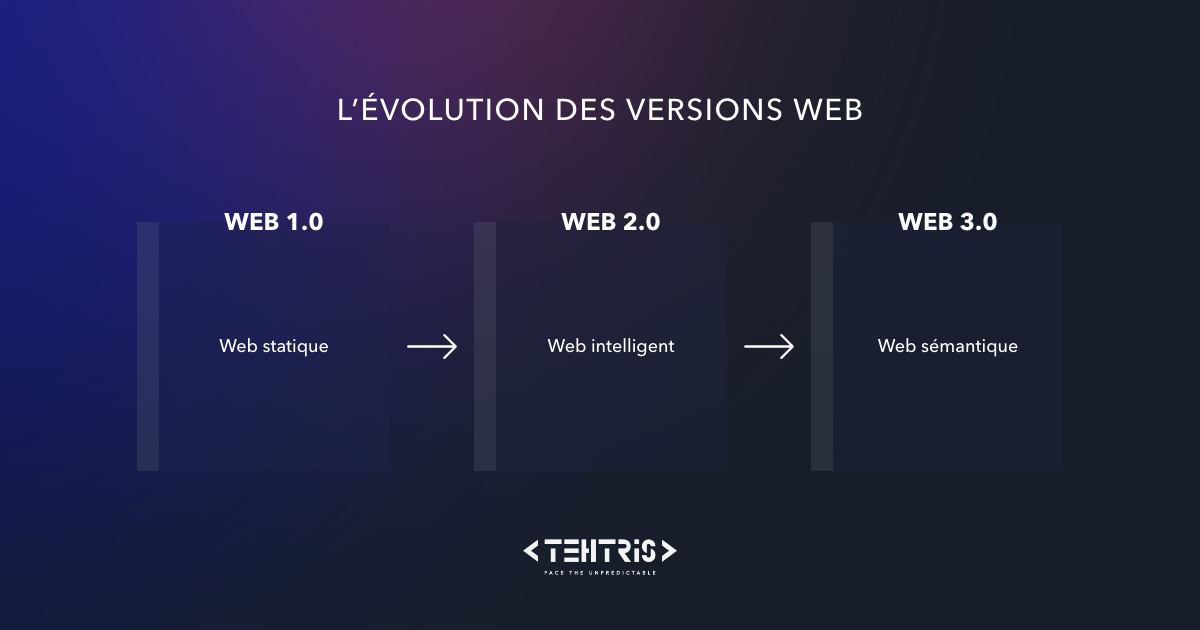
Web 1.0
The Web 1.0 emerged in the late 80s and early 90s as the first version of the internet. It is often referred to as the static web. It consisted of web pages created by a handful of users. This was a time when search engines were still in their infancy. It was a read-only experience.
Web 2.0
Then the 2000s arrived, and with them came the web 2.0 ! This time we could interact, become active participants, and the online community had already grown significantly. We were now in the era of participation.
Everyone could create their own identity online. Everyone became a player on the web, with the ability to fuel blogs, websites... this was the birth of social media and the Big Tech companies that feed on our data. At this stage, we became dependent on these platforms.
The birth of Web 3.0
Web 3.0 is appearing in the media and all over the web. It’s hard to miss, and it’s sparking quite a debate—why? What is Web 3.0? The term isn't actually entirely new.
Although there is no single definition, let’s try to take stock of this concept.
Terminology
To begin with, note that this term may appear under the following names:
- web3
- "Decentralized web"
- application 3.0
- solution 3.0
Distinguishing features
- Independent and universal. It is usable on all devices: mobile friendly
- Integrated user interface
- Decentralized and based on blockchain (allowing for content authentication and certification)
- Software application accessible online: Cloud Computing
In detail
Targeted content
- Web 3.0 is expected to become a smarter version of the internet, thanks to the contribution of artificial intelligence to information processing, with search engine results becoming much more refined (semantic web) and more targeted. Advertising will be more relevant: the internet will adapt the information it provides to each individual user.
- The network will become accessible to everyone, thanks to the connection of smart devices and permissive platforms open to all. Browsing is expected to be more efficient.
Data tampering made much more difficult
Users should regain control of their personal data, which until now has been in the hands of commercial organizations. The user will become sovereign over their own data. This is known as "self-sovereign identity." The individual is at the center of the digital experience.
Technological evolution
- The 3D Web will blur the lines between digital content and the real world.
- We will see a surge in augmented reality, while the 5G network and the Internet of Things will become integral parts of Web 3.0.
Web 3.0 also means:
- Controlling comments and reviews will be more difficult on a decentralized platform because anonymity will be heightened; conversely, the risk of censorship is reduced.
- We will be "geolocated" in real time: an advantage? A disadvantage?
- Web 3.0 is still under construction, and gaps remain in terms of data storage and processing power.
Is Web 3.0 a new version of the internet or just a buzzword? What is certain is that the digital world has not finished revolutionizing itself. The web continues and will continue to undergo metamorphoses that will spark many debates.